Introduction
Financial independence is the ability to live comfortably without relying on a paycheck. It involves building sufficient wealth through savings, investments, and passive income streams. In the journey of achieving financial independence, concepts such as budgeting, investing, and wise spending play crucial roles in ensuring financial stability.
Seeds of Scarcity – Grandparent’s Money Outlook
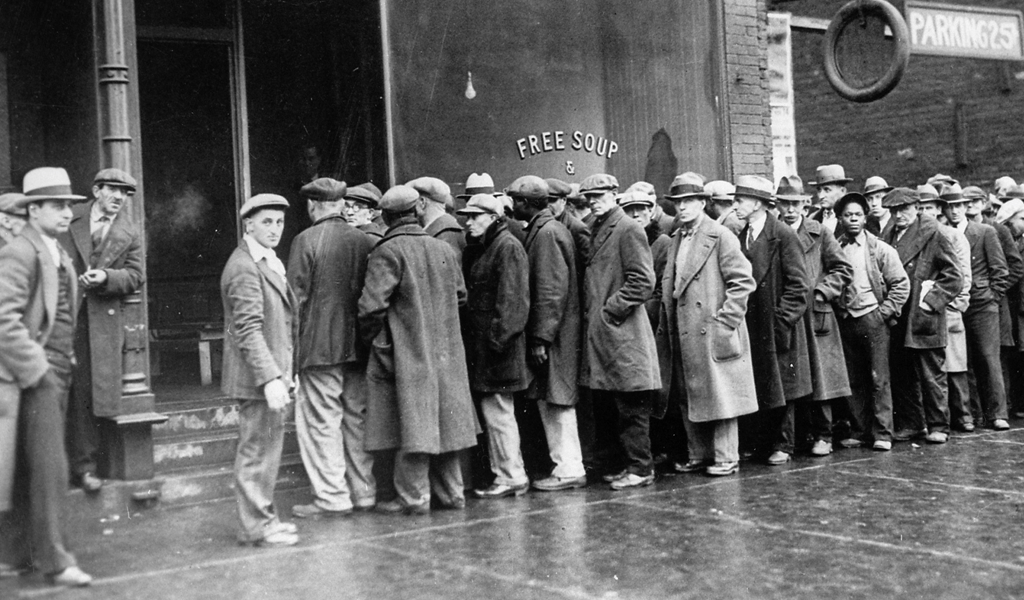
My paternal grandparents lived through the great depression which had a profound effect on their relationship with money. They raised 5 kids, the youngest being my father, on a single schoolteacher salary and later by farming.
My grandmother was tough as nails and while she was never employed, she did more than her share of work providing for the family. They had a massive garden that she tended continuously to cook meals and can for the winter. She kept a full chicken coop, gathered eggs, and harvested chickens for meat. I can still remember her wringing chicken’s heads off by hand and watching the bodies flop around and spew blood everywhere as the last bit of life left them. She’d then hand-pluck the feathers off and slice them up.
After years of scrimping and saving, they finally built a very modest house on their farm. It couldn’t have been 1300 sq ft, but to them it was a palace. Even though they were financially secure, their depression-era mindset never let go of them. No shoes were allowed in the house, food was not permitted outside the kitchen, and no horseplay was tolerated. My grandmother kept plastic on all the furniture, plastic runners on all the carpet walkways, and newspaper on the carpet by the sliding-glass door to prevent sun fading.
Reckless Squander – Dad’s Money Mode
My father, despite being raised in such scarcity & frugality, was never able to control his money. He was a late-life accidental pregnancy for my grandparents and many years younger than his nearest-aged sibling. I’ve always theorized that my grandparents were too old and tired to raise him with the same level of strictness as the other kids. As such, he grew up spoiled, without rules, and lacking self-discipline. He has smoked marijuana constantly for as long as I can remember and routinely dabbles in other drugs. He got my mother pregnant with me when he was 18 and she was 16. My first few years of memories are of them arguing, my father’s extreme & violent mood swings, my mother leaving, divorce, my mother kidnapping me, reuniting, remarrying, and finally my mother dying of cancer when I was 10 years old.
Without rehashing all the details, I can summarize by saying that most of my childhood consisted of instability, especially where money was concerned. My father remarried and had 2 additional children. We moved constantly, never staying put for more than a couple years at a time. My father constantly mismanaged money including everything from our food bills to cars & houses we couldn’t afford. Everything was driven by impulse with no thought to the consequences of our future. Each wave of reckless spending and debt would come crashing down as we lost all of it. Him and my stepmother have declared bankruptcy at least 3 times that I’m aware of. He took social security at the first available opportunity (age 62) and they now live off my stepmother’s mother in one-half of a duplex in exchange for caring for her.
Frankenstein Framework – My Learned Money Outlook
Given my conflicting money examples growing up, you can imagine the disparate money thoughts floating through my head. I’ve got visions of owning a big house, fancy cars, a boat, a pool and having a family. But the only money tools I’ve been shown are raising chickens and plastic-coating my furniture. And to top all that, what I quickly realized after college is that 16 years of structured education had not taught me a single thing about managing money. What a catastrophic failure of our education system!
So, there you have it – champagne tastes, a scarcity mindset, and 0 education on anything financial. That sums up my starting point. Now begins the journey of building my own framework, one that balances preservation with progress. What were the conflicting “money lessons” you learned growing up?